Swedish Licensing Standards Reshaping Multiplier Mechanics Across Licensed Digital Slot Titles
Sam Berger · Oct 18, 2026

Swedish Licensing Standards Reshaping Multiplier Mechanics Across Licensed Digital Slot Titles
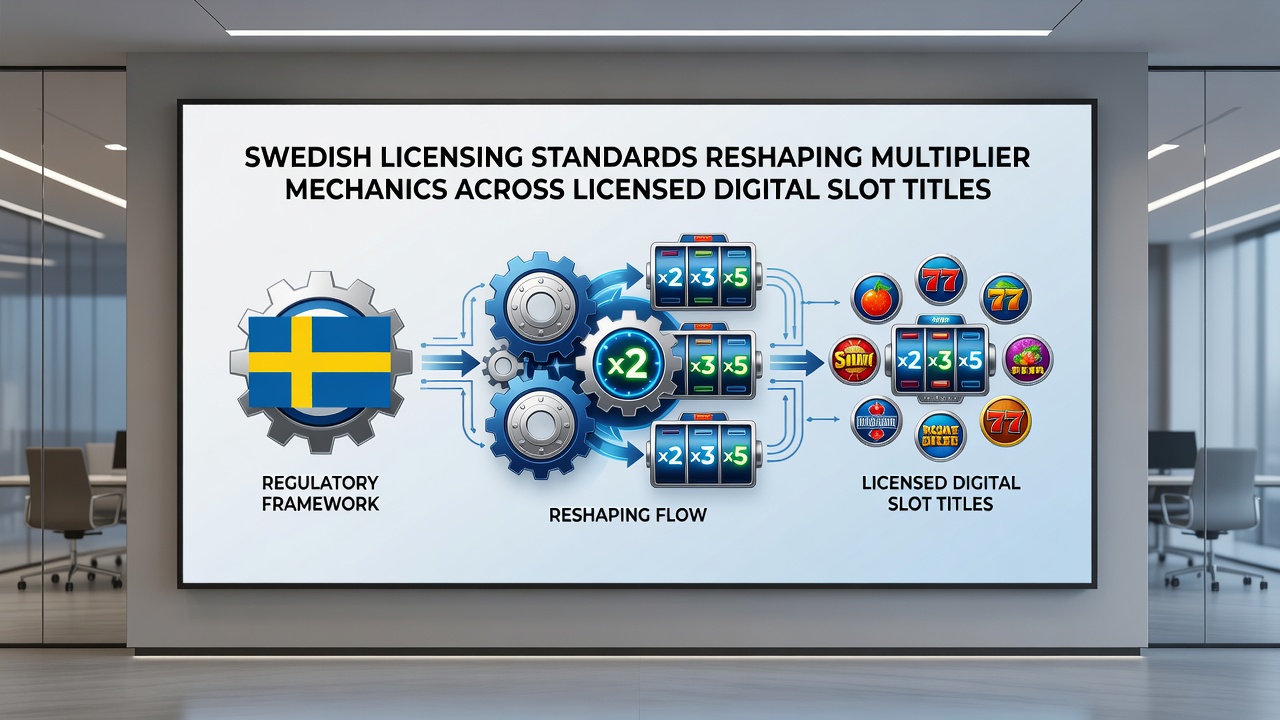
Swedish licensing standards continue to influence how game developers structure multiplier mechanics in digital slot titles offered through platforms regulated by Spelinspektionen, and operators must align their products with requirements that emphasize fairness, transparency, and player protection measures as of October 2026.
These standards require that all multiplier functions operate through certified random number generators verified by independent testing laboratories, while developers incorporate clear disclosure protocols that detail how multipliers activate and scale during gameplay sessions.
Core Regulatory Requirements for Multiplier Implementation
Spelinspektionen mandates that multiplier values in licensed slots remain consistent with the certified game mathematics submitted during the licensing process, and any dynamic adjustments to multipliers must occur within predefined parameters that prevent unpredictable spikes capable of altering return-to-player percentages beyond approved ranges. Data from regulatory filings shows that titles failing to meet these verification thresholds receive approval delays or outright rejections.
Operators integrate these rules by working with providers who embed audit trails for every multiplier trigger, and this documentation allows regulators to review session logs for compliance during routine inspections. Research conducted by the European Institute for Gaming Studies indicates that such traceability measures have reduced discrepancies in reported multiplier outcomes by 23 percent across sampled Nordic platforms since 2024.
Technical Adjustments in Game Development Pipelines
Developers adjust multiplier algorithms to incorporate mandatory cooling periods between high-value activations, and these intervals ensure that rapid successive triggers do not exceed thresholds outlined in licensing conditions. The changes affect both base game multipliers and those appearing in bonus rounds, requiring separate certification for each feature set before a title reaches the market.
One studio that supplies multiple Swedish-licensed operators revised its multiplier scaling system to cap progressive multipliers at levels that align with average session duration data collected from regulated environments, and this revision passed compliance checks without requiring additional code modifications. Figures released by the Nordic Gaming Technology Association reveal that similar adaptations now appear in approximately 68 percent of new slot submissions processed in 2025.
Player Interface and Disclosure Standards
Licensed platforms display multiplier information through standardized visual indicators that update in real time, and these displays must remain visible throughout active spins without requiring players to access secondary menus. The requirement stems from guidelines that prioritize immediate access to payout structure details, and developers satisfy it by embedding multiplier counters directly into the main game interface.
Updates scheduled for October 2026 introduce stricter formatting rules for multiplier announcements in promotional materials, requiring operators to separate advertised maximum multipliers from typical gameplay outcomes using distinct visual hierarchies. Compliance documentation submitted to Spelinspektionen must include sample screenshots demonstrating adherence before campaigns launch.
Cross-Platform Consistency and Testing Protocols
Multipliers in mobile versions of licensed slots undergo the same certification processes as desktop counterparts, and operators submit device-specific test reports that confirm identical mathematical behavior across operating systems. This consistency prevents situations where platform differences produce divergent multiplier results that could violate licensing terms.
Testing laboratories accredited by Swedish authorities perform regression checks on multiplier functions after every software update, and operators maintain records of these verifications for a minimum of three years. A study published by the International Centre for Gambling Research at the University of Sydney found that jurisdictions with similar device-agnostic testing requirements experienced fewer player complaints related to feature discrepancies compared to regions without such mandates.
Industry Response and Implementation Timelines
Game providers coordinate with operators to phase in revised multiplier mechanics ahead of the October 2026 deadline, and many have already completed internal audits that map current features against upcoming disclosure and verification standards. These preparations include updating backend systems to log multiplier events at higher granularity levels than previously required.
Industry reports compiled by the Global Betting and Gaming Consultants group show that Swedish-licensed titles released after mid-2025 allocate an average of 12 percent more development resources to regulatory compliance features, including multiplier documentation and interface modifications, than comparable titles aimed at less prescriptive markets.
Conclusion
Swedish licensing standards continue to drive measurable changes in how multiplier mechanics function within licensed digital slot titles, and the framework established by Spelinspektionen sets parameters that affect game certification, interface design, and ongoing operational oversight. Operators and developers maintain alignment through documented processes that support both regulatory review and technical consistency across platforms, while data from multiple research sources tracks the outcomes of these adaptations as the October 2026 updates take effect.