Decoding how transaction verification speeds shape access to layered loyalty tiers on Sweden's licensed mobile slot platforms
Wendy Peters · Sep 20, 2026
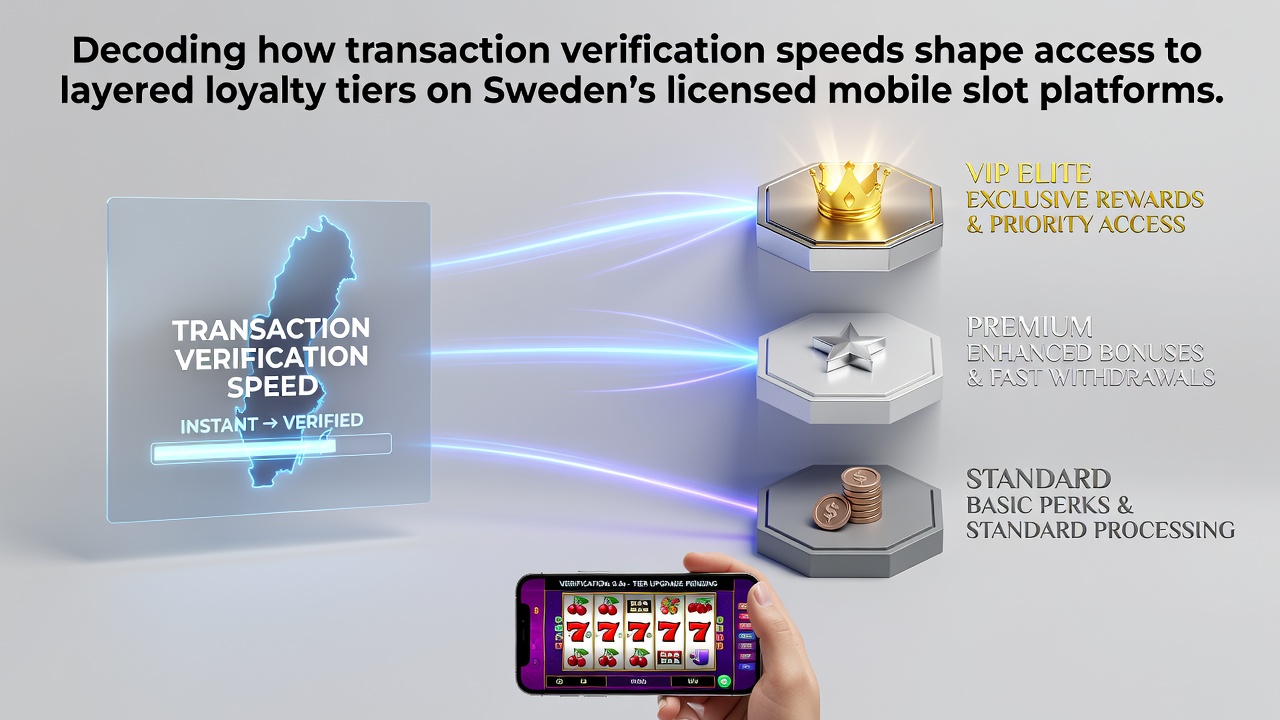
Decoding how transaction verification speeds shape access to layered loyalty tiers on Sweden's licensed mobile slot platforms
Transaction verification speeds play a direct role in determining how quickly players on Sweden's licensed mobile slot platforms reach higher loyalty tiers because faster processing of deposits and withdrawals feeds real-time data into reward systems while slower checks create bottlenecks that delay point accumulation and tier upgrades.
Regulatory Framework Governing Payments and Rewards
Sweden's Spelinspektionen enforces strict timelines for payment processing under the Gambling Act so licensed operators must complete verification within defined windows that range from seconds for routine transactions to several hours when additional checks apply and this structure directly influences loyalty mechanics since many platforms tie tier advancement to verified activity volumes completed within specific periods. Data from industry reports shows that platforms achieving sub-minute verification averages report higher rates of players progressing through basic to premium tiers within the first month of activity.
Mobile-Specific Verification Processes
Mobile slot applications integrate bank-ID authentication and instant payment gateways which allow operators to confirm transactions almost immediately and this speed matters because loyalty algorithms credit points only after verification completes so a delay of even ten minutes can shift a player's position relative to monthly or weekly qualification windows. Observers note that users who rely on instant bank transfers experience quicker tier access compared with those using methods that trigger manual reviews and researchers tracking platform data have found measurable differences in progression speed based solely on verification duration.
Layered Loyalty Structures and Their Dependencies
Loyalty programs on these platforms typically feature five or six ascending tiers where each level unlocks additional benefits such as cashback percentages, exclusive game access, and personalized bonuses and entry into each tier hinges on cumulative verified wager amounts or deposit totals recorded within rolling periods. When verification completes rapidly the system registers activity in real time allowing players to cross thresholds before cutoff dates whereas extended processing times push the same activity into subsequent cycles and this timing effect compounds across multiple transactions. Studies from European gaming associations indicate that verification speed accounts for up to thirty percent of variance in tier distribution among active mobile users on regulated Swedish sites.
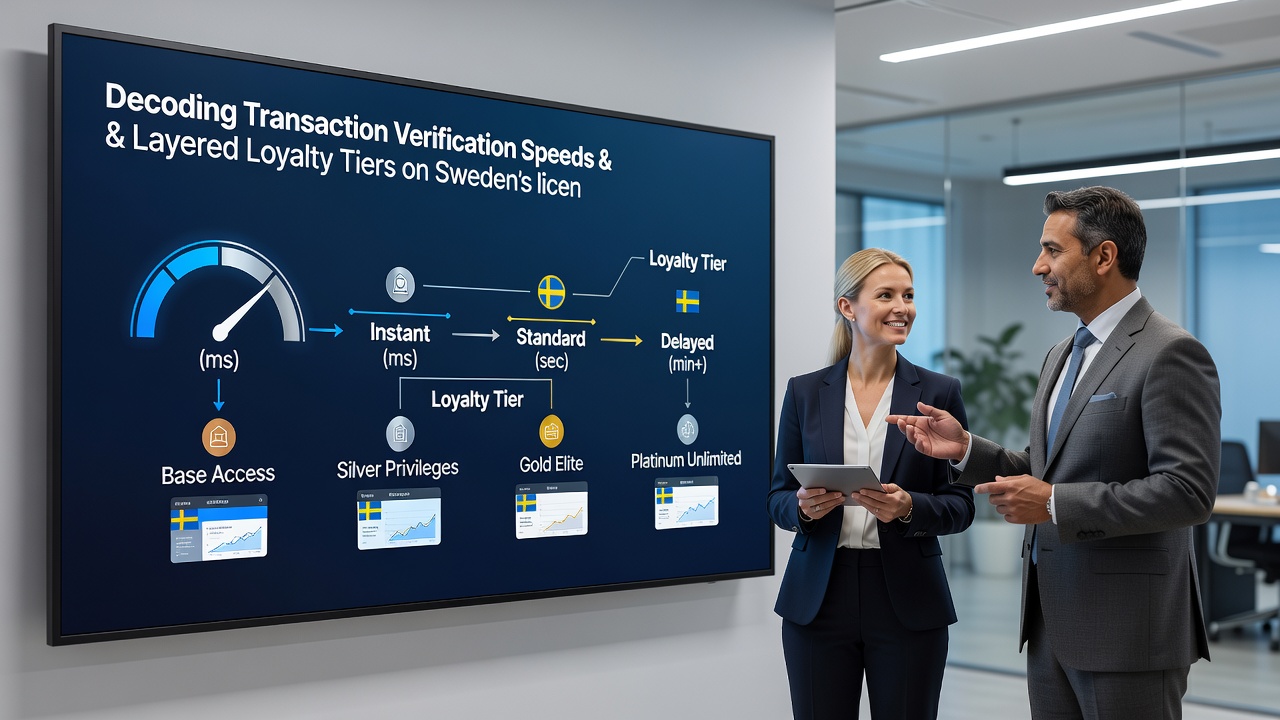
Platform operators adjust verification workflows during peak periods such as evenings and weekends when mobile traffic spikes and those adjustments can either maintain or temporarily reduce speed depending on the technical infrastructure in place and players who time their deposits around these patterns often reach mid-tier status faster because their transactions avoid queues. Experts tracking September 2026 regulatory updates expect refined standards for automated verification that may further compress processing windows across licensed operators.
Impact on Player Access and Platform Operations
Access to layered tiers becomes gated by verification performance because higher levels require sustained verified activity and any interruption in that flow resets progress relative to competitors who benefit from seamless processing and this dynamic creates observable stratification where users on faster-verifying platforms advance more consistently. Industry organizations such as the European Gaming and Betting Association have compiled statistics showing correlations between payment infrastructure quality and loyalty retention rates across Nordic markets. Research conducted by academic groups in Scandinavia further links verification latency to changes in session length and deposit frequency which indirectly shape the speed of tier climbs.
Operators must balance security requirements with speed targets because Spelinspektionen mandates identity confirmation that prevents fraud yet excessive manual intervention slows the entire chain and platforms investing in AI-assisted screening report shorter average verification times that translate into steadier loyalty progression for their user bases. Those who've studied transaction logs across multiple sites note that September 2026 projections include expanded use of real-time bank linkages which could standardize faster access for all licensed mobile slot environments.
Conclusion
Transaction verification speeds function as a hidden variable within Sweden's licensed mobile slot loyalty ecosystems because they control the pace at which activity converts into tier advancement and platforms that optimize these processes enable broader access to layered rewards while those with delays inadvertently restrict progression for segments of their player base and ongoing regulatory refinements scheduled around September 2026 are expected to influence how these mechanisms evolve across the sector.